• wild garlic

    The month of May has been treacherous where gardening is concerned.  Fluctuating temperatures have caused erratic growth and everything from seed sowing to planting out has been gravely affected. I have continued to cover seedlings in the polytunnel with fleece on chilly nights. This is usually a task I discontinue in April but it pays to be cautious especially when temperatures drop below 10ºC. Some of my precious seedlings such as clary sage disappeared overnight; only the stark stems remained – I could not find any slug on the raised bench so I am assuming the menace is some form of leafhopper perhaps a runaway flea beetle!  Covering with fleece is a barrier against these destructive pests. Thankfully attacks are a very occasional occurrence and damage can be minimised if detected on time. Tender vegetables such as cucumber, courgette and tomato have endured a testing time. It is wiser to delay planting these outside until early June when the winds have ceased and the temperature has stabilised- there will be a lot of catching up to do!

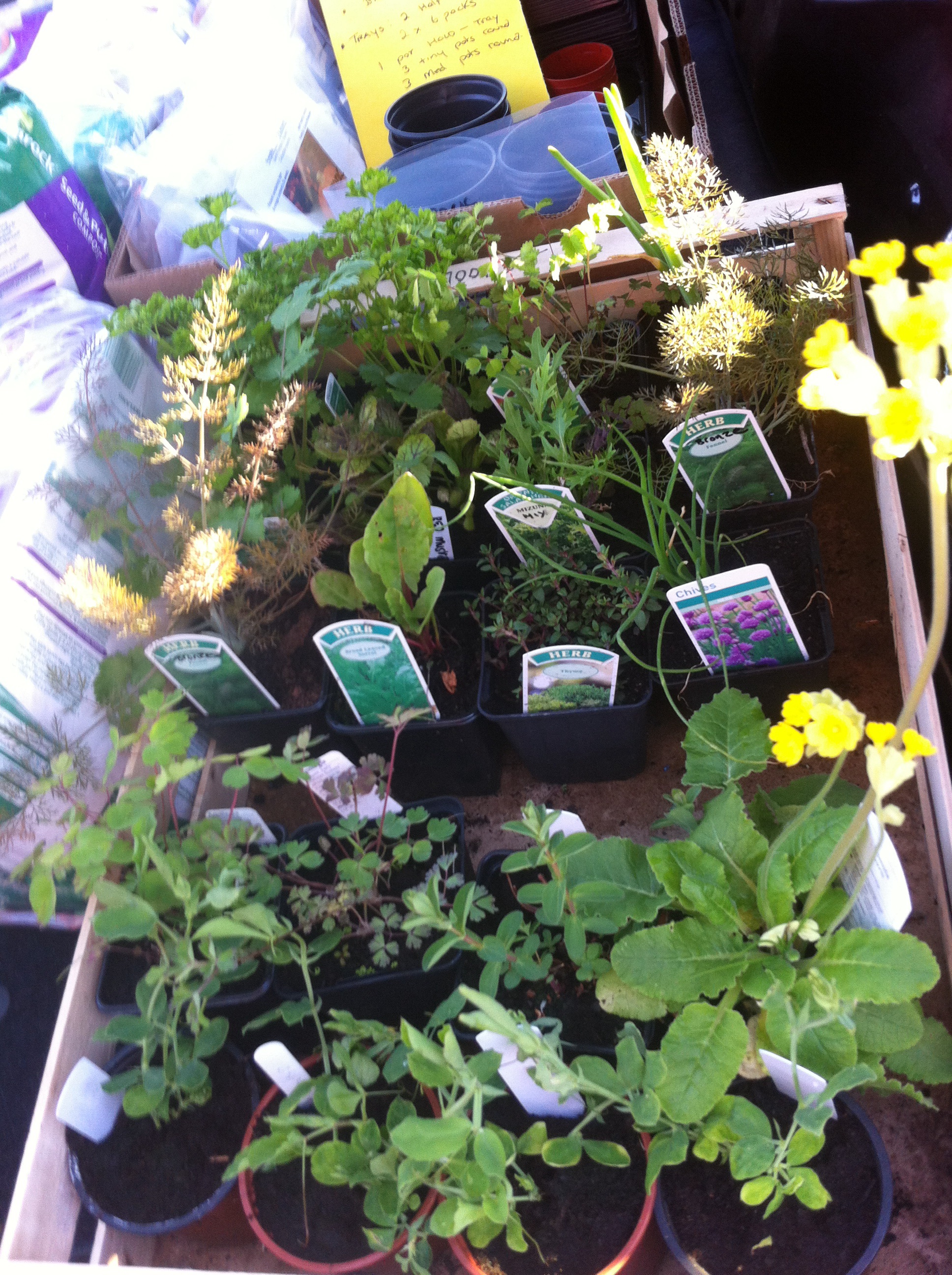
    Young salad crops such as radish, beetroot and scallions should be thinned out to allow the crop to develop; these pickings can be tossed into salad to add another tasty dimension. Many of the oriental salad herbs like mizuna and mustard greens go to seed in dry, sunny weather. They prefer cooler temperatures so always plant them in a shady spot in rich, moist soil. Generous watering and feeding combined with regular cutting is important to prolong the yield!

    Several years ago I left garlic cloves I had planted in the ground. They failed to develop into full size bulbs: no doubt due to another bad summer. Out of sheer annoyance I never dug them up: I just left them there expecting they would rot! Surprisingly, some survived to form two thick clumps which now provide me with ‘garlic scallions’ throughout most of the year. I shall enjoy the aroma of fresh garlic in my kitchen forever more! This story is a typical example of wild gardening! Sometimes a little neglect – or rather allowing nature to have its own way – can often produce unexpectedly good results. Many herbs such as oregano, salad burnet and fennel will re-seed: usually the spot they put down roots will suit them perfectly and they will thrive more so than the ones we plant meticulously in what we assume is the ideal location!  My self-seeded Greek oregano is just splendid growing haphazardly among the pebbles it is so abundant I think it no longer dreams of Greece and I love handing out bunches of it to all my visiting friends!

    Finally this year I managed to acquire a plant of wild garlic aka ramsons (Allium ursinum). On researching the meaning of the word  ramsons. I came across ‘pungent old world weedy plant’. It sure is a mouthful but I think it is an accurate and somewhat intriguing description.  I have planted it in a moist, shady spot under trees – its preferred position. I hope it spreads rapidly! It is high on the list of connoisseur culinary herbs these days and gets lots of mention from various foodies. Its leaves evidently make a delicious pesto which hopefully I will get to concoct in the near future – that is if it decides to naturalise in my garden. A word of warning: do not mistake the poisonous lily of the valley Convallaria majalis with wild garlic. They flower at the same time displaying identical leaves and white flowers: using a botanist’s eye the flower structure is completely different however the amateur forager will need to rely on the nose; the discerning difference will be that powerful smell which makes wild garlic so distinctive.

  • seedlings  in hand

    We seemed to have missed out on spring and were propelled straight into a false summer! The recent heat wave though enjoyable has increased the gardener’s workload with constant watering from dawn until dusk. Young plants in the poly tunnel which have an underdeveloped root system will dehydrate in minutes and die instantly therefore I have to remain on constant vigil! Working inside under melting plastic in this intense heat can only be endured for short periods of time and is not for the faint hearted. Most of my potting up is done late evening when the sun is low. I am under pressure and moving with the speed of light – squinting in the poly tunnel in the half-dark is an exhausting exercise.

    Transplanting trays of vegetables such as lettuce, spinach and peas is again best done in the evening as the cooler night air will allow them a soak time. Dill is a herb which dislikes root disturbance so it is not a suitable candidate for pot sales even though it is in high demand! It needs to be sown directly into its growing position outside. I like to mark the seed drills by filling with compost as this defines where the seedlings emerge and makes them easier to identify. Sowing every two weeks until the end of June will ensure a lengthy supply of this delicious herb. Coriander is another splendid herb; growing lush in the cooler temperatures of April and May – after that it tends to run to seed and then basil takes priority in the heat of the summer. These three mentioned are annuals so regular sowings are necessary to provide a continuous supply!

    Seed sowing now creates a fever like madness in me: I have so much to sow before the end of May deadline. After that it is too late as most herbs take at least ten weeks to mature. For most perennials, April is the month for sowing – I need to make final sowings of lupins, oriental poppies and hollyhocks. Many of these may not reach the sales shelf until next year but they will over-winter successfully as young potted plants. In my previous article I mentioned that I was testing the organic compost ‘Living Green’ for seed sowing. Unfortunately it has proved inconsistent, certain seed such as lettuce and rocket did not succeed whereas other varieties such as spinach and parsley thrived. I therefore can only advocate using it for potting up and planting out! It is a rich growing medium for these procedures but use a multi purpose brand for seed sowing.

    Most gardens now should have undergone a complete makeover of pruning, weeding and clearing. The rains have descended so now is a perfect time to plant out once temperatures remain mild. I recommend delaying planting out tender varieties such as cucumber, courgette and tomatoes until mid May as anything can happen with our weather system. Troops of slugs are now imminent! This heavy rainfall has created a high tide in the garden and they will quickly surf and slide to reach all your delectable greens! I try my best to plant things they dislike and I am blessed that herbs do not excite their palate. Most of my frog spawn has mysteriously disappeared and sadly all I can see are a few lonesome tadpoles swimming aimlessly. I hope these strong survivors will grow legs quickly and realise their mission in life – to take a great leap out from the pond and gobble up some slugs! My goldfish as yet have made no appearance and I sense perhaps a heron thief has enjoyed a gourmet meal at my expense!

  • Greta’s Herbs

     frog eating slug

    March crept in softly but blew out quickly in a whirl of wind and rain. My resident wild rabbit who has spent many days nesting from the wet and cold has begun dashing about as mad as any March hare! I too like him have been racing around the garden – so much has to get done. The recent dry spell occurred at just the right time for cutting back everything hard- particularly scraggy mature herbs such as lavenders, fennel and cotton lavenders. Weeding had to be done in haste before the rains returned and another generation of weeds burst forth. This year I am top dressing all my plants with a mix of compost and wood ash from the stove. This ‘potash’ will be superb for flowering and fruiting plants, I am just putting it around everything.

    I have had to diligently examine certain plants in pots for signs of the dreaded vine weevil. These nasty little maggots eat the roots of certain plants and some of their favourites include strawberry, mint and primula. They get cast into the pond as tasty snacks for the goldfish. I am delighted to finally observe massive clumps of frog spawn which has taken several years to colonise. I know the fish will also enjoy munching on these but hopefully some froglets will get to escape and go find their own slug snack! Then the cycle of prey and predator will have been established and harmony will prevail!

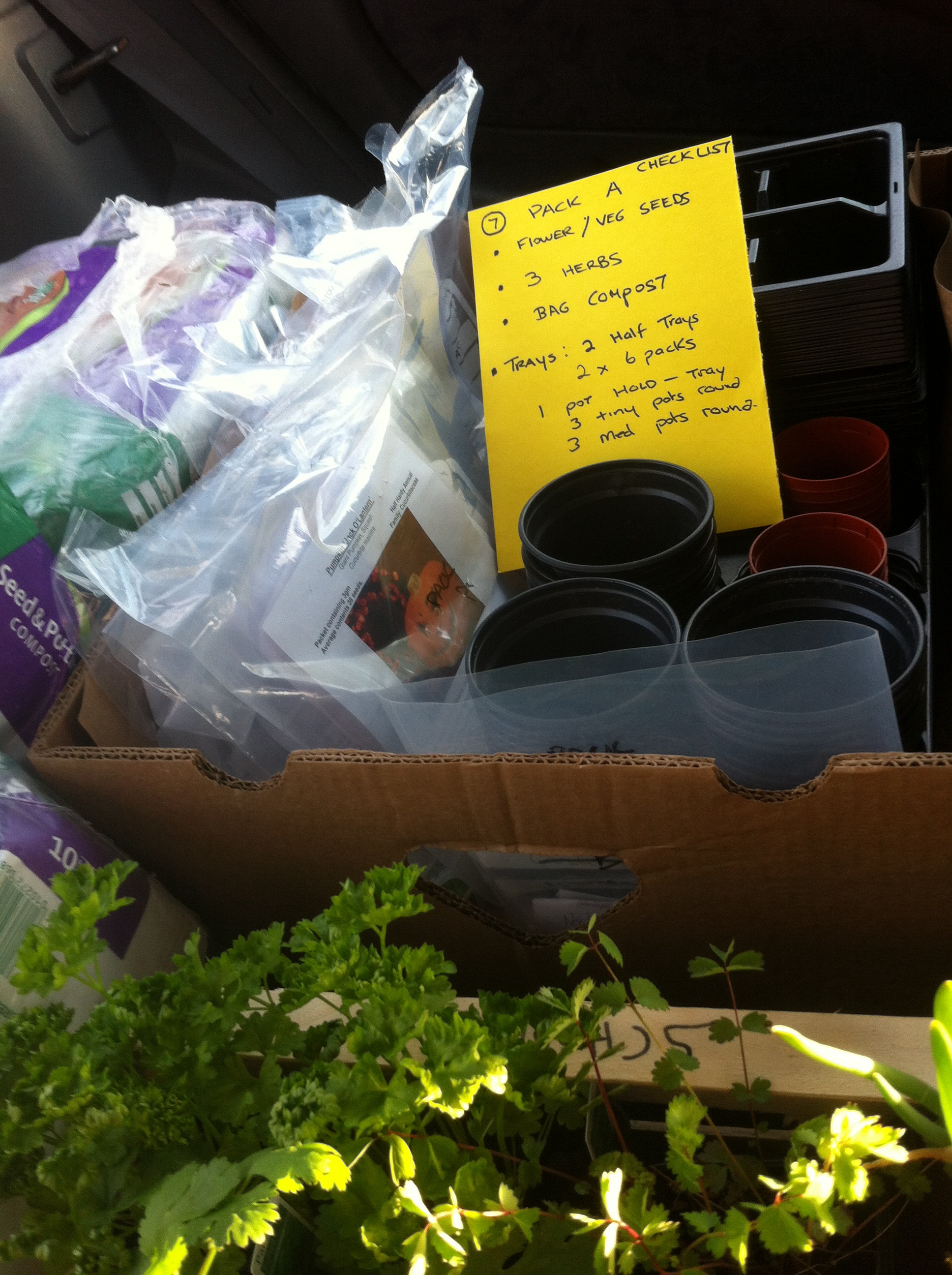
    Seed sowing has begun in earnest in the polytunnel and every few days I sow at least another half dozen varieties mainly of herbs and vegetables. It is important to sow seed in batches at ten day intervals to maximise success: do not sow the entire packet at once. Leftover seed may be stored successfully in a biscuit tin and placed in a cool shed or room for at least one year. Exercise some caution at the moment when planting out as temperatures remain erratic. Purchased plants should be left outside in their pots for at least one week to allow them to develop a strong root system before transplanting.

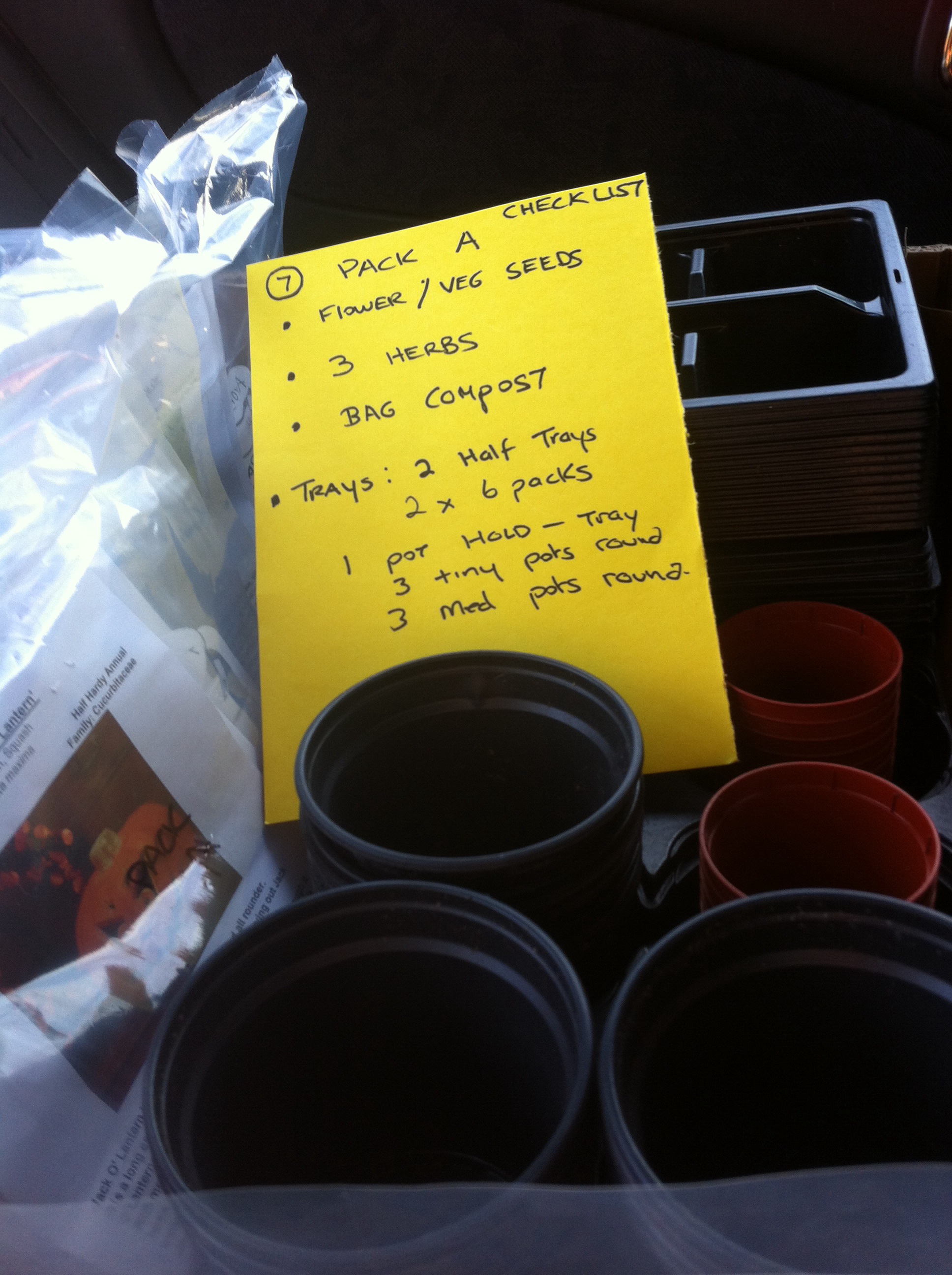
    At the end of last season I did a trial run on using the organic compost Living Green and was happy with the results. This year I am using it for sowing and potting up all the herbs and vegetables. It is on sale at Foxy John’s, Dingle and Miltown Organic Store alongside my herbs! It is made from worm casts and has a lovely texture. I am hoping it will live up to my expectations.

    April is the month I concentrate on the ornamental perennials such as lupins, poppies and aquilegis. I have finally sown the plant Centaurea macrocephala which I have been meaning to cultivate for several years. I have come across it on rare occasions and it has always grabbed my fancy.  Its common name is giant knapweed but I prefer its other more descriptive name Armenian basket flower. It is a wild plant from the Caucasus which is a mountainous region on the borders of Europe and Asia and it is listed as hardy. This herbaceous perennial (many years) produces impressive yellow thistle-type flowers and can reach a height of five feet. It will grow in any well drained soil; excelling in full sun but also tolerant of partial shade. The shaggy blooms attract an abundance of beneficial insects and can be elegantly used in fresh or dry floral arrangements. Similar to teasel but perhaps not quite as prickly – the unpicked flower heads can provide a winter supply of seed for hungry birds. It has germinated easily so hopefully it will transplant successfully and create the vision I anticipate!

  •        Greta’s Herbs

    Bank at entrance

    The Passing of Time

    Now spring has arrived I can wander out of my den. I have spent the last two winters in almost total hibernation writing a book on herbs. Finally it has gone to the publishers and hopefully it should hit the bookshelves later this year. Excitingly it will contain a collection of inspiring images from the gifted nature photographer Rob Beighton!

    In recent days I have swapped keyboard for potting bench and once again feel liberated in my polytunnel: I have star-trekked back to my planet and plant production has begun. The first seeds I have sown are lettuce mix, rocket and the hardier oriental greens such as mizuna and pak choi. Each year I try to limit my growing to approximately 50 varieties. I could easily get sidetracked into growing obscure, non-saleable oddities: and I hate waste. Keeping stock over winter here is not very successful as high rainfall can cause many plants in smaller pots to rot. Temperatures have recently plummeted back down so I will delay further sowings until the thermometer creeps back up to at least 10ºC. New introductions this year will include red veined wild rocket and chicory! I also have a few surprises for the flower and bee garden!

    There is a misconception that the herb kingdom is a small, select group of plants-however it is in fact quite the opposite. It is a vast dynasty encompassing all kinds of individuals. The herb growing community is no less diverse. One of my first student friends in the Botanic Gardens, Dublin was a girl called Ziggy. She was an extremely colourful character in both manner and looks. Her passion for herbs was infectious and she was forever leading me into the herb garden. My knowledge back then on herbs was sparse; I had just begun my journey as a horticulturist. I remember her vividly, swinging basket in hand obsessing about herbs. Today I understand that obsession for it has infiltrated my gardening world.

    Being very much a plant person my own interpretation of a herb extends beyond the dictionary’s definition which says that any plant ‘used in the making of medicines or in cooking’ is a herb. After three decades of growing, studying and exploring I have come to the conclusion that any plant containing hidden properties which may be utilised can be called a herb! Such examples include Chrysanthemum cinerarifolium which forms the basis of the organic pesticide pyrethrum and Anthemis tinctoria aka Dyer’s Chamomile which does as its name suggests.

    We cultivate herbs unknowingly in our gardens. Many are extremely decorative, often producing aromatic foliage or fragrant flowers, sometimes a combination of both occurs as in the case of French lavender! We plant lupins and aquilegias in our borders, violas and nasturiums in our hanging baskets, and we deck our walls with roses and honeysuckle. Apart from the cultivated species, we are surrounded by the wild ones, the super-seeding dandelions in our lawn, the abandoned briars in the hedge and the banished nettles in the ditch.  Finally we remember the old friends of the forest: the oak, holly and birch.  All of these plants I have mentioned are herbs, and, if you look more closely you will see their secrets have been unveiled and their hidden properties revealed and fervently used down through the centuries!

    Greta’s Herbs will be on sale shortly at the following outlets: Foxy Johns, Dingle, Keanes Garage, Lispole, O Donnells Shop, Annascaul, Miltown Organic Store and Mace Camp.

    Greta McCarthy-O’Brien qualified in Amenity Horticulture at Botanic Gardens Dublin in 1983 and has been growing herbs in Annascaul for over 10 years.

    www.gretasherbs.com  email:gretasherbs@yahoo.com    Phone: 0863169716


  • IMG_1767
    Peacock on Teasel (Dipsacus fullonum)
    IMG_1773
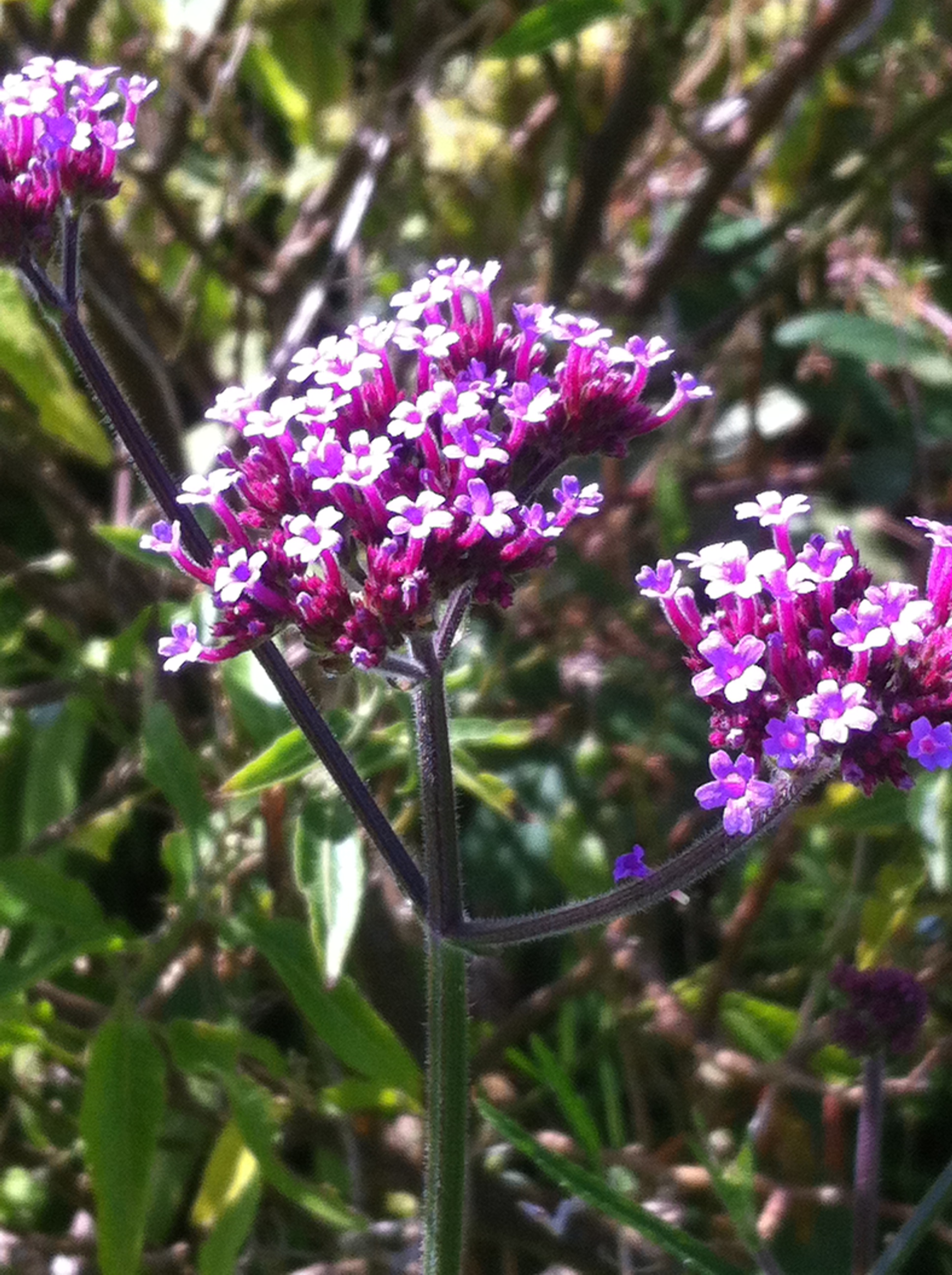
    Verbena bonariensis
    Borage
    Borage