• Greta’s Herbs

    Spring has sprinted forth with crisp, dry days however low temperatures demand caution when sowing seed. In my polytunnel the first seedlings of lettuce, rocket, broccoli and various Asian salad leaves have emerged. I have been covering them with fleece by night to give some protection. Once temperatures rise by a few degrees, I will prick them off into pots and trays. As I have often mentioned, sowing little and often is the key to a continual harvest. I use the glass and newspaper method; however adhere to whichever technique proves successful. Outside, an endless list of chores awaits me. I recently massacred a pussy willow shelter-belt, reducing its height by half. It had missed its annual clip last year and required serious pruning. I’ve had to forfeit the pretty catkins which were just developing, so delay until later if one wishes to retain these.

    Pruning back fennel to ground level  along with any other untidy comrades is essential. Also top-dress all plants with an organic soil enricher such as garden compost or choose a commercially produced brand of processed manure or seaweed. I like to mix a handful of granular fertilizer through this to give the plants that extra boost they need right now: this annual application works wonders!  I have had to relinquish my all time favourite potato variety Home Guard for more blight resistant new-comers, such as Orla and Coleen. They are chitting (sprouting) indoors. Choose a cool, light location and position them upright in trays or egg boxes. This will give their growth a head start. I am also trying a new main-crop variety called Sarpo Mira, which I am told is fantastically blight resistant. However seeing is believing; my potatoes are always plagued, especially in recent wet summers!

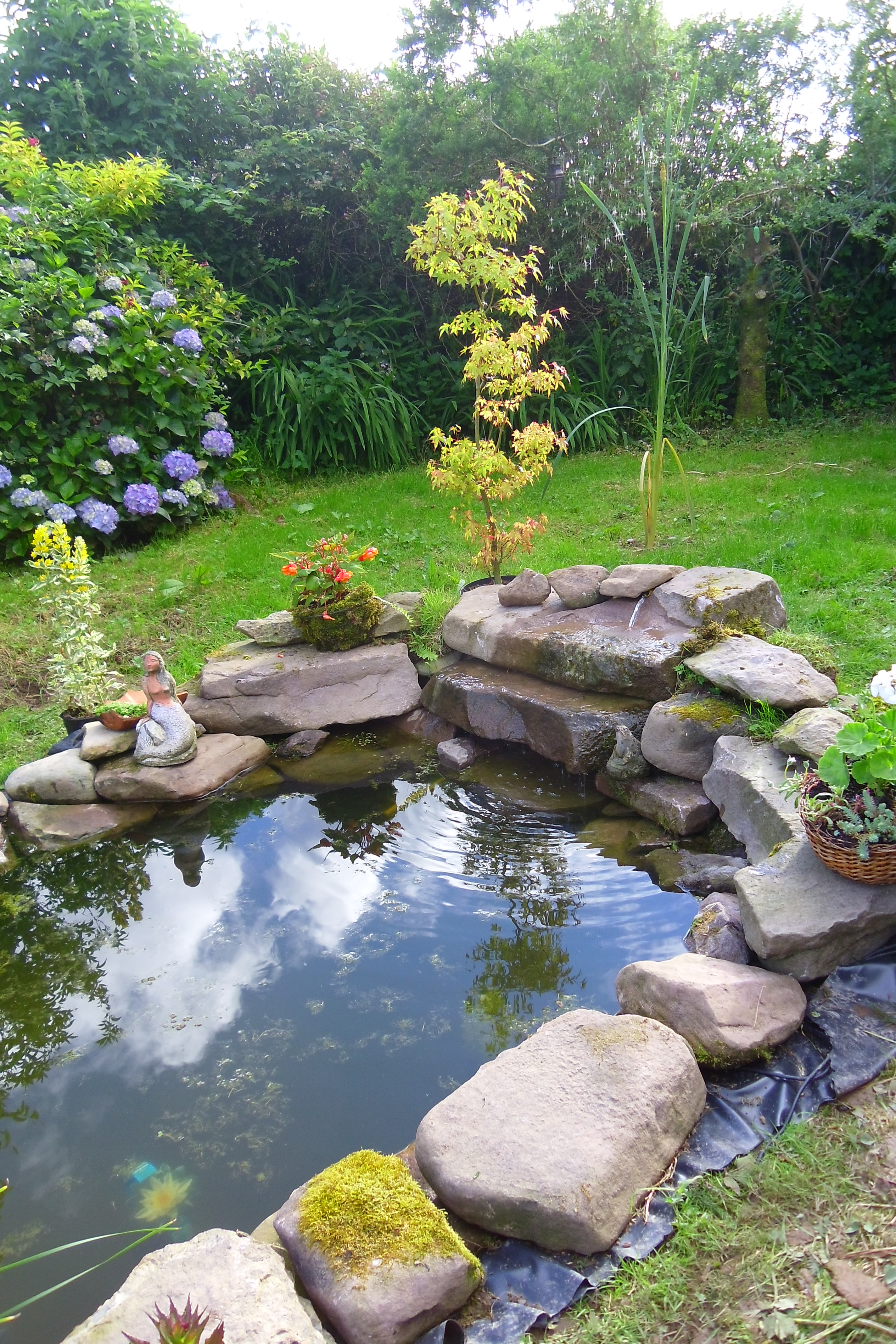
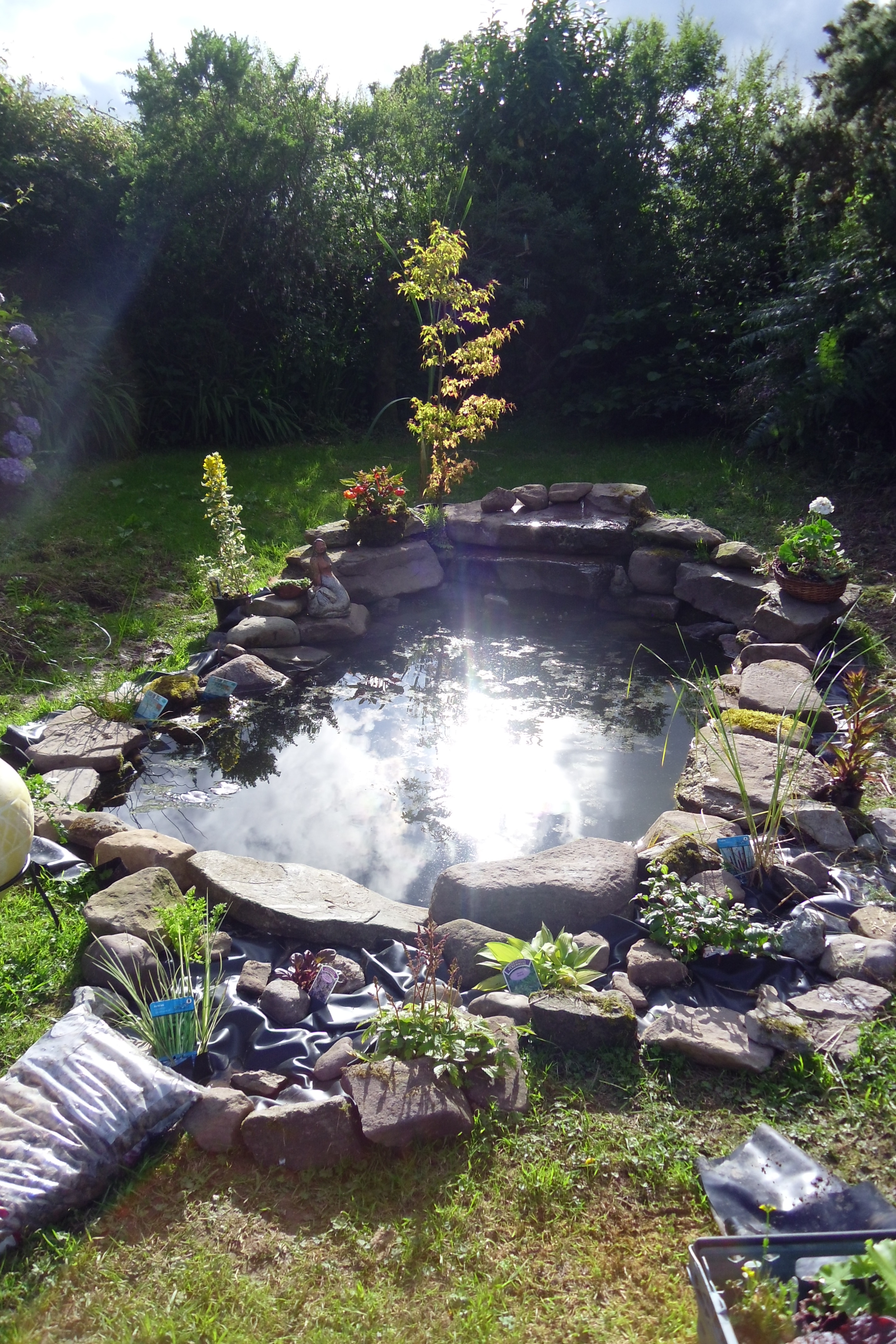
    The first flowers to break the bleakness in my garden are miniature daffodils, Ribes sanguingea (red flowering currant) and yellow Cytisus scorparius (common broom). The addition of a pond last year excites me with the prospect of frogs gobbling up those luring slugs. My three goldfish have survived the cold and the heron. They are slowly beginning to exercise again after their winter rest. Pond plants are still dormant except for Mentha aquatica (water mint) which modestly displays one shoot! Like all herb plants it hides a multitude of secrets, the leaves evidently make a pungent peppermint tea which will no doubt accentuate a pleasant end to a hard working day!

  • North Cyrus Botanic Gardens (2)

    Greta’s Herbs

    Winter Gardening in North Cyprus

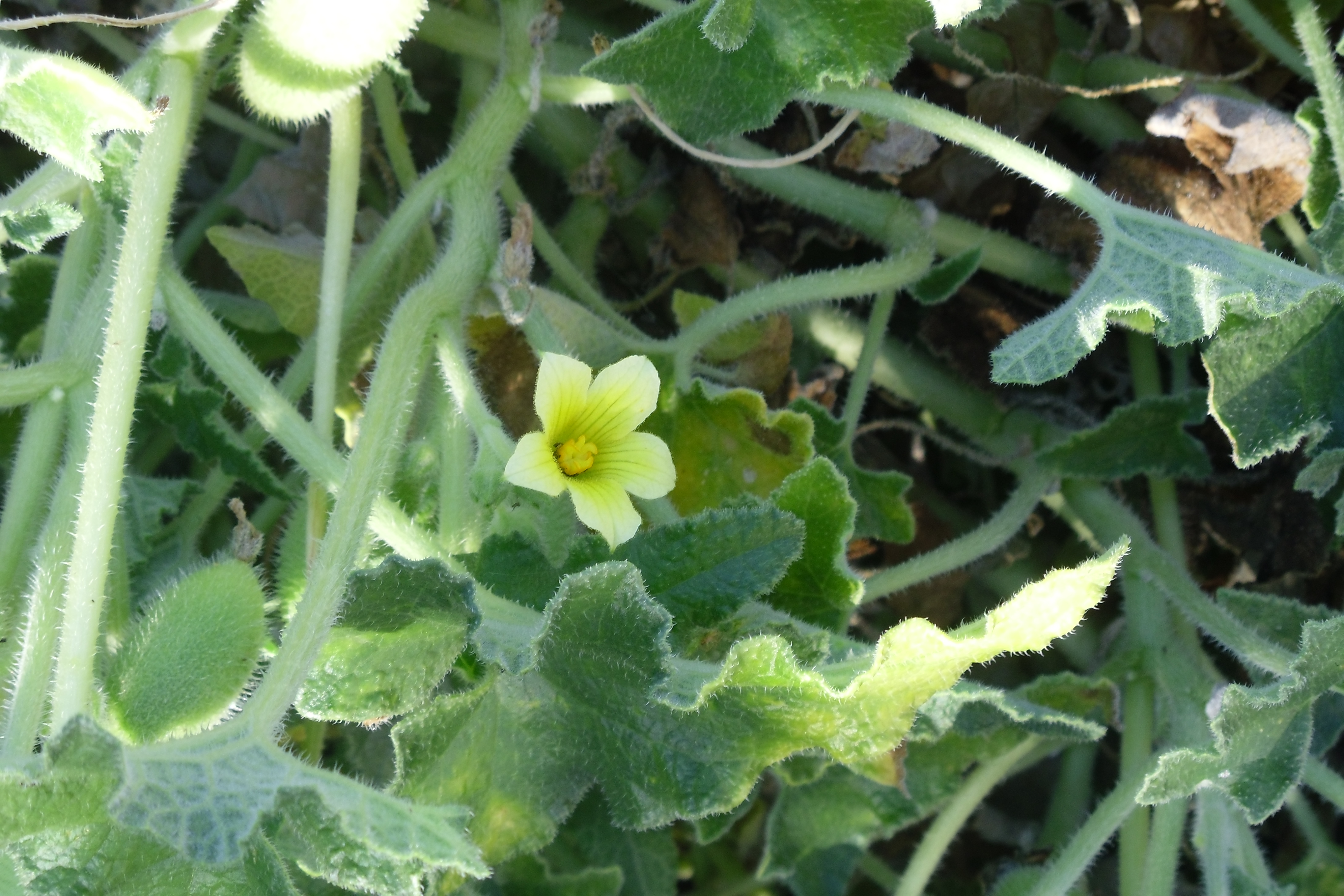
     The weather has begun to change and has become increasingly erratic. Sunshine is still plentiful and temperatures remain pleasant in circa 12-20c. Quite often gigantic thunder and lightening storms orchestrate between the massive mountains behind me and the Mediterranean ocean to the front. The majority of my seeds e.g. Rocket, Lettuce, Spinach, Tomato, Pea have germinated rapidly within four days. However, I notice their growth has suddenly halted, mainly I think due to fluctuating temperatures, the days are still hot but night temperatures drop dramatically. Growth here appears sporadic whereas at home it is slow but consistent. I have to remind myself that this is winter-time so daylight hours (7am-5pm) are diminished. This naturally affects the mechanism of Photosynthesis, whereby plants convert light energy to chemical energy promoting growth. A recent tropical storm raged for 48 hours and damaged a lot of flowering shrubs, splitting top heavy branches, especially the Bougainvilleas. My neighbour’s young Banana tree almost toppled and he had to brace it to the railing. It still bears a solitary bunch of green fruit, it’s first I would imagine and I wonder when they will ripen! On my first day weeding the villa garden I was trying to discern the cultivated from the wild, some of these weeds are very decorative. There was a trailing plant with large cucumber type leaves, pretty lemon flowers and chunky round seed pods. I had just cut into it when it suddenly sprayed a shower of liquid directly into my face, fearing it was toxic I ran to wash it off. Later I recalled the story to a local nursery man, who, with great amusement informed me the plant is a tenacious weed, nick named exploding or squirting cucumber. The seed pods burst automatically, and he re-assured me I won’t go blind this time. With further research I discovered it’s botanical title is Ecballium elaterium. It is poisonous, however, it is suspected to provide food for the caterpillar of the Tortix moth. Also interestingly in Turkey it is used in herbal medicine to treat sinusitis. Needless to say being involved in the herb business I found this completely intriguing! My time here has come to an end and I have learned a lot about Med gardening. It is with regret I leave behind the veggies that I will not get to harvest, and of course, the sun in the mornings upon flowers that blossom endlessly! However I cannot deny I am looking forward to the approaching Spring-time in Ireland, for me the beauty of that is hard to beat. There is something special about the richness of Irish soil, the lavish green grass and the purity of a rain that falls as if by duty, so it is with gratitude I return to my home land with the word Murhaba!

    Published in West Kerry, Corca Dhuibhne Beo Jan 2013

    Ecballium elaterium (exploding/Squirting cucumber)

    Ecballium elaterium Exploding cucumber!

  • This slideshow requires JavaScript.

  • Greta’s Herbs

    Gardening in Cyprus

    On arriving mid November the maximum temperature hovered between 20-25 degrees celsius during the daytime, with a drop to about 15 degrees by night. Most days I awoke to blazing sunshine and air that was heavily scented from the abundant blossom. Pink and white Bouganvilleas rampantly adorn villa archways and pillars. I noticed an orange variety I had never before encountered. Lantanas, orange tubular Daturas and striking blue Jacarandas bloom in full force everywhere. Oleander is used as a hedging and appears to flower all year round. I have to re-learn a lot of these mediterranean plants as it is almost 30 years since I studied them in the glass houses in the Botanic Gardens, Glasnevin. It makes me nostalgic to see them again, like re-acquainting with old friends, very familiar, flamboyant ones from a distant land!

    The most incredible plant specimen I have seen was an Ipomea (morning glory) growing wild in a small Cypriot village up the mountains on the North West coast. It had gone totally berserk! Vigorously, scrambling to the very top of an electric pole and completely covering an adjacent wall. Hundreds of vibrant, blue flowers danced in the sunshine. The effect was hypnotic. I have grown this as an annual climber in Ireland where it has begrudgingly produced some flowers, sulking for want of heat and sunlight. I have always loved it and now at last experience its full glory.

    I am told Cyprus has two growing seasons, so crops are harvested now and again in April-May. Olives and Citrus fruits are plentiful but quality is superior in the first season after the winter rains. My passion for growing led me to the nearest garden centre to acquire compost to germinate the seed I have carefully transported from the Northern to the Southern Hemisphere.  I was shocked at the price; it did contain a water retention additive, however, most products are imported from mainland Turkey, so prices on many items are surprisingly high. Some of these seeds such as Basil and Tomato should feel completely at home here. They are now sitting on the balcony in pots donated by neighbours, wrapped up in fleece (also carried over) as the nights are turning chilly. I expect expediency as I am on limited time.  Hopefully this Mediterranean heat will prompt them rapidly into growth, or perhaps like me, they will somehow feel a familiar link to their ancient past.

    Image

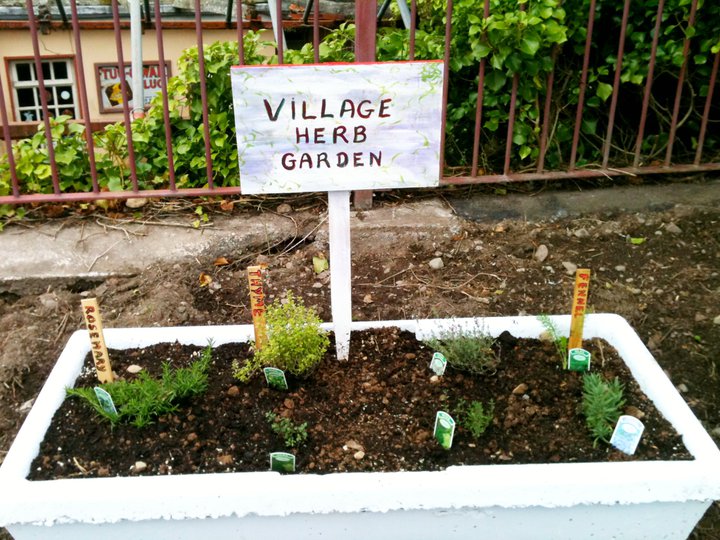
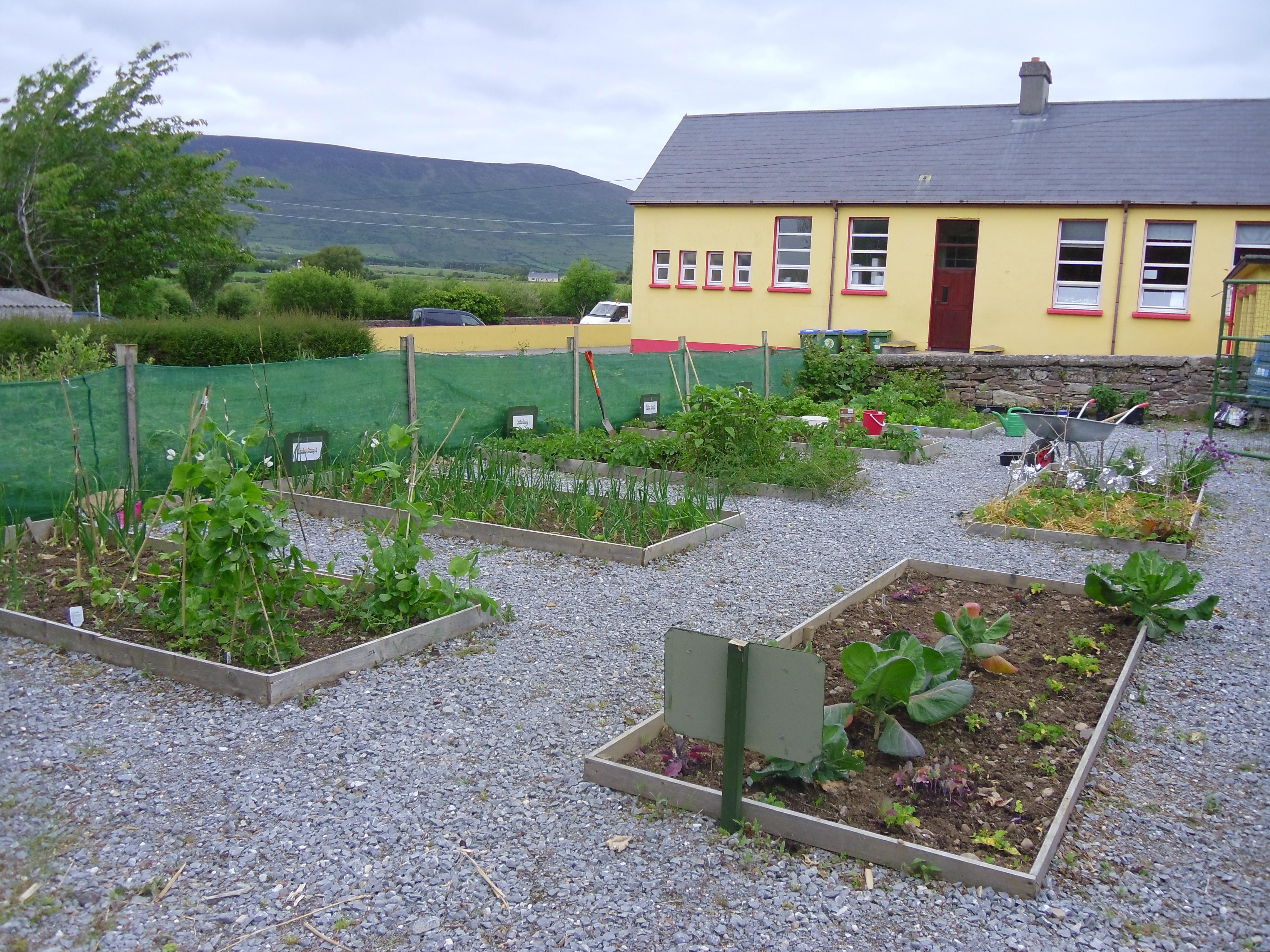
  • Planting Begins July 2012
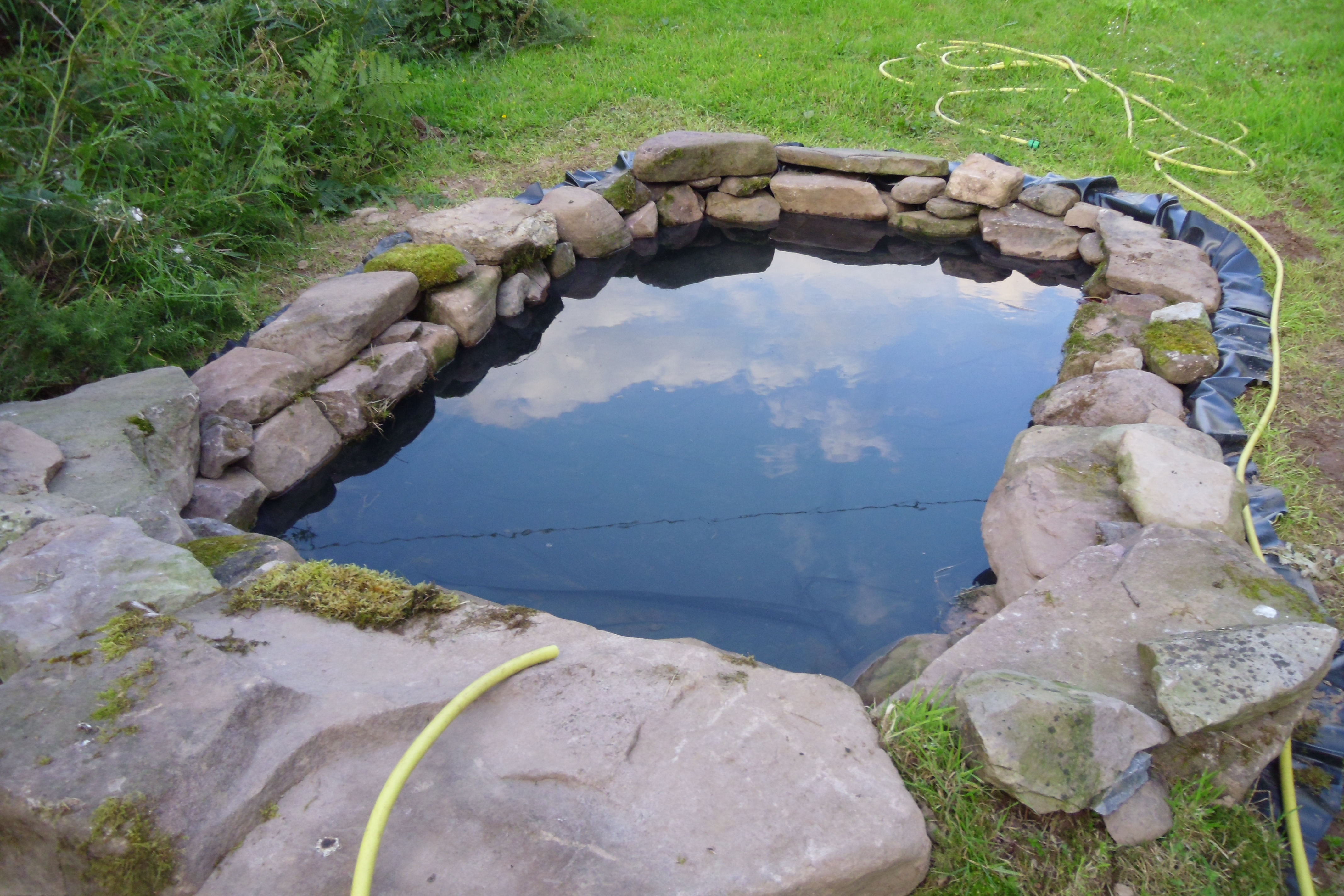
    Just filled!
    The Beginning!
  • This slideshow requires JavaScript.

    Mark Murphy & Greta McCarthy,O’Brien enjoying the herbs!